Construction Services

    Hardscape

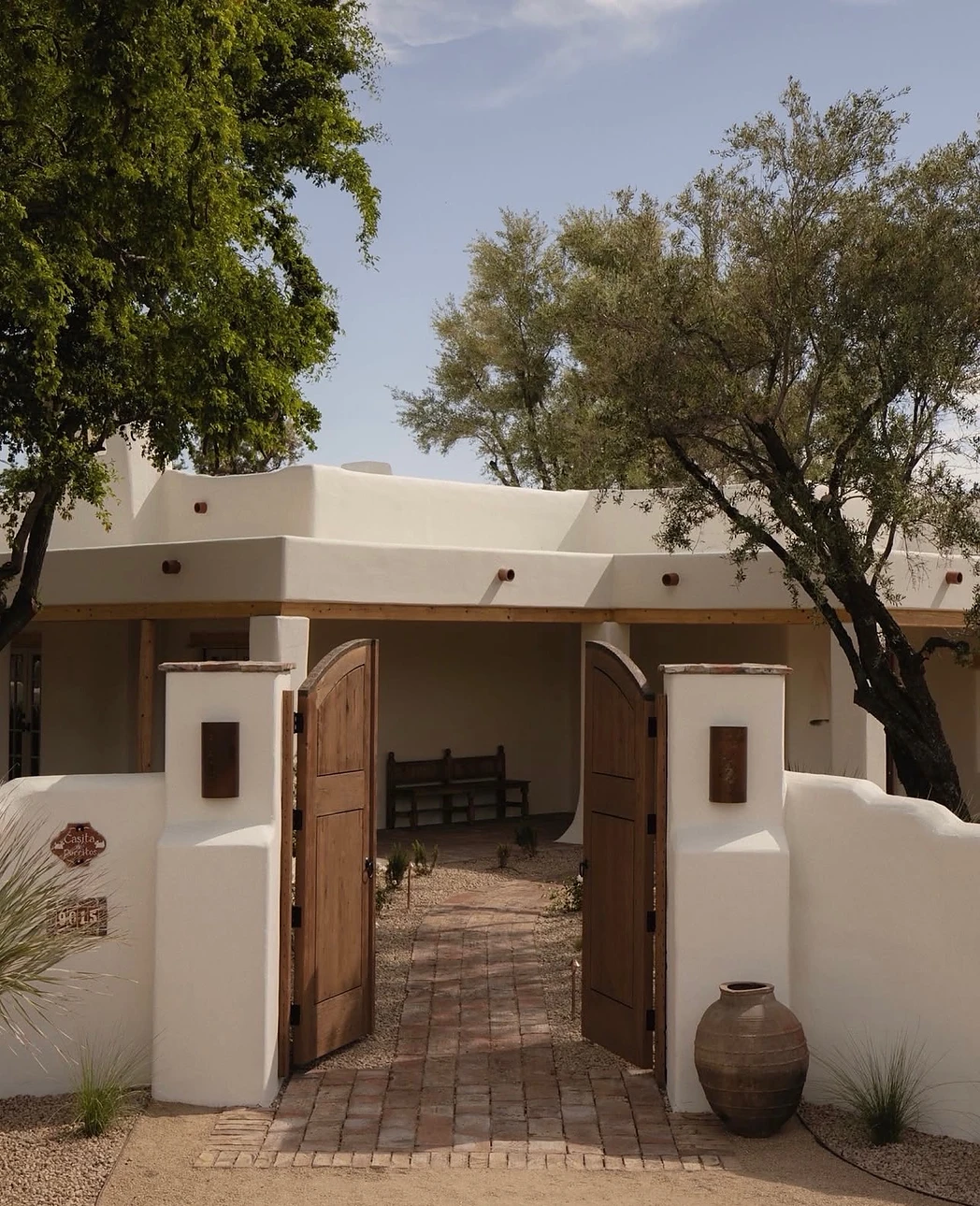
    Travertine, flagstone, and dry-stack stone shaped into patios, walkways, retaining walls, and the grade transitions that make a hillside lot usable. Every surface sits on a base built for monsoon runoff and Arizona thermal movement.

    What We Offer

    Hardscape Services

    Travertine patios and pool decks
    Flagstone walkways and stone steps
    Retaining walls and seat walls
    Terracing and grade transitions
    Decorative borders and edging
    Concrete overlays and stamping

    Looking specifically at pavers for a patio, driveway, or pool deck? See paver installation in Phoenix.

    Why Choose State48

    Benefits of Professional Hardscape

    Increases property value
    Low maintenance surfaces
    Heat-resistant materials for Arizona climate
    Custom designs to match your home

    Common Questions

    Hardscape FAQs

    How much does hardscape cost in Phoenix?
    It depends on the material and how much grade work the lot needs. Angi's April 2026 Phoenix data puts natural stone at $16 to $51 per square foot installed. Retaining walls, elevation changes, and demolition price by scope. Treat these as planning ranges, not quotes; real numbers come from a site walk and a design.
    What is the difference between flagstone and travertine?
    Flagstone is quarried sedimentary rock split into irregular slabs, so it lays as an organic, natural pattern and suits meandering walkways, ramada floors, and desert-contemporary grade transitions. Travertine is a limestone cut to consistent tile and slab sizes, so it reads architectural and lines up cleanly against modern elevations, which is why it dominates large patios and pool surrounds. The choice is usually driven by the house, not the budget.
    How long does a natural stone patio last in Arizona?
    The stone is rarely what fails. What sets lifespan here is underneath it: four to six inches of compacted aggregate base, a bedding or mortar detail suited to the material, and edge restraint that holds the field together through monsoon runoff and summer thermal movement. Flagstone and travertine set on a properly built base outlast most of what surrounds them. The same stone set on a thin base moves within a few seasons.
    Do I need a permit for a retaining wall in Arizona?
    Once it gets tall, usually yes. Valley jurisdictions generally follow the International Residential Code exemption, which stops at four feet measured from the bottom of the footing, and they typically want an engineer's stamp above that or wherever the wall retains a slope or a surcharge. Cities amend the threshold and HOAs add their own design review, so we confirm the local rule before design rather than after, and we pull the permit as part of the work.
    Can hardscape work on a sloped or terraced lot?
    Yes, and slope is where hardscape earns its keep. A hillside lot in Cave Creek, Troon, or the Phoenix Mountains foothills becomes usable through retaining and seat walls, stone steps, and terraced patios that create level ground where there was none. The design problem is drainage first: every terrace has to shed monsoon water somewhere deliberate, or the wall behind it becomes the drain.

    Our Process

    How We Work

    01

    Consultation

    Free on-site consultation to discuss your vision and assess your property.

    02

    Design

    Custom design proposal with detailed plans and material selections.

    03

    Build

    Expert installation by our skilled crews with quality craftsmanship.

    04

    Enjoy

    Final walkthrough, cleanup, and enjoy your new outdoor space.

    Ready for Professional Hardscape?

    Contact us today for a free consultation and estimate on your hardscape project.

    Request a Consultation